Winter Weather Awareness Week: Understanding winter storm alerts & safety tips
Learn how the National Weather Service uses winter weather watches, warnings and advisories to help communities prepare for snow, ice, flooding and extreme cold.
More Stories


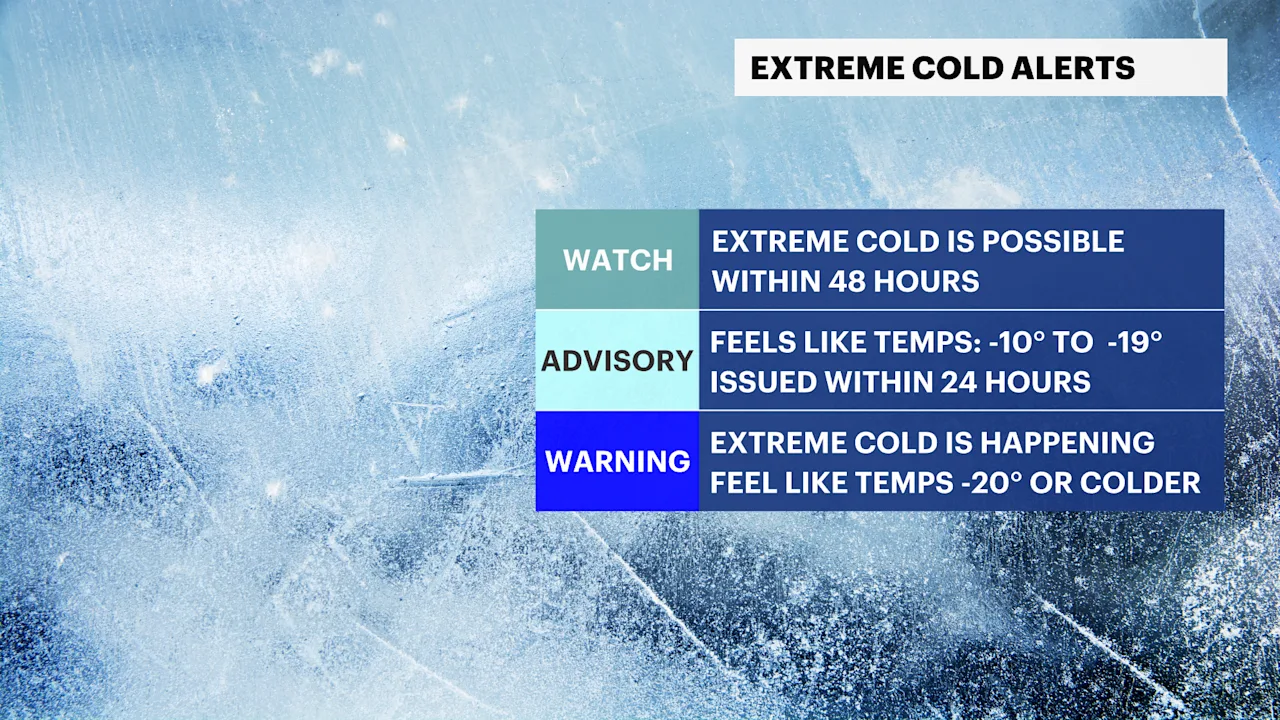
The National Weather Service is a pivotal resource for local meteorologists. They provide alerts and updates on quiet and inclement weather days. During the winter season, the National Weather Service issues different types of winter weather alerts for winter storms and extreme cold. There are also alerts for blizzard warnings, ice storms, snow squall warnings, and cold weather.
For winter storms, watches are issued 36 to 48 hours before the event and warnings are issued up to 36 hours before the event. These storms would need to pose potentially dangerous and life-threatening conditions to the public. Advisories are issued for events up to 36 hours when weather conditions cause a significant inconvenience to the public but could lead to posing a threat to life or property. However, any of these alerts can be issued longer than 48 hours if there is high confidence in the forecast.
Snow squall warnings are issued within an hour or less lead time. Usually when a heavy snow band combined with gusty winds and blowing snow is expected to cause a rapid drop in visibility to 1/4 mile or less. These short-fuse events are usually associated with Arctic cold frontal passages, are quick-moving, and last for less than one hour in duration.
Winter storm watches and warnings are issued when heavy snow is expected within 12 to 24 hours. It can also be issued when there is a combination of snow, sleet and freezing rain bringing similar impacts to the public.
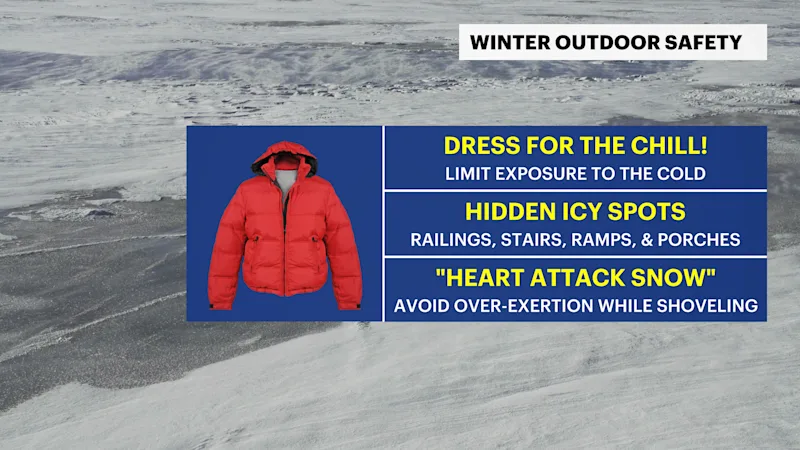
Winter advisories are issued for lower amounts of snow, freezing rain or freezing drizzle, wind and cold weather. The Cold Weather Advisory replaced the Wind Chill Advisory, where the apparent temperature or wind chill criteria is now minus 5 degrees for southern portions of the area, and minus 10 for northern portions of the area.
Ice storm warnings are issued when at least one half inch of ice is forecast to accumulate on elevated flat surfaces.
Flood watches and warnings are issued for rivers, small streams, streets and poor drainage areas that flood. When heavy rain lasts at least 6 hours with snowmelt, it usually causes major flooding. Coastal flood watches and warnings are issued for widespread moderate or major flooding of shoreline and coastal communities, with inundation of 2 to 3 feet or greater above ground level.
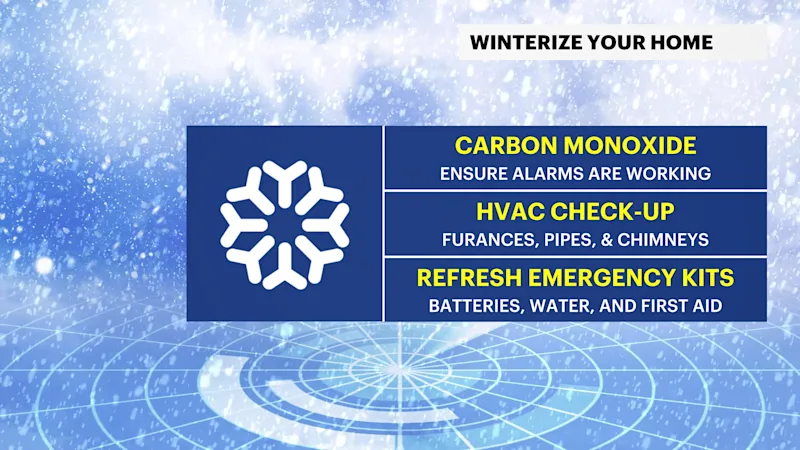
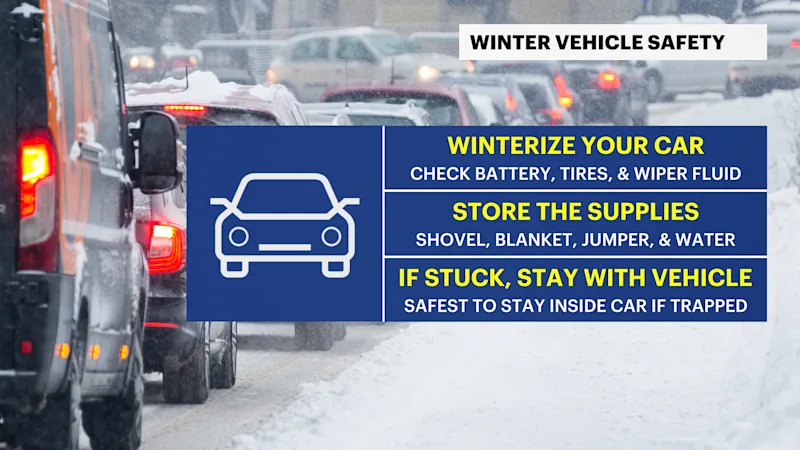
During the winter season, it’s better to stay prepared ahead of the storm by winterizing your home, your vehicle and keeping your kids and pets safe from the freezing cold and wintry precipitation. Stick with your local meteorologist all season long when winter weather strikes.


