GARDEN GUIDE: These plants look great all winter, even in cold and snow!
Winter has a tight grip this year and isn’t going anywhere anytime soon, but these plants will add some life and color to these cold days.
More Stories
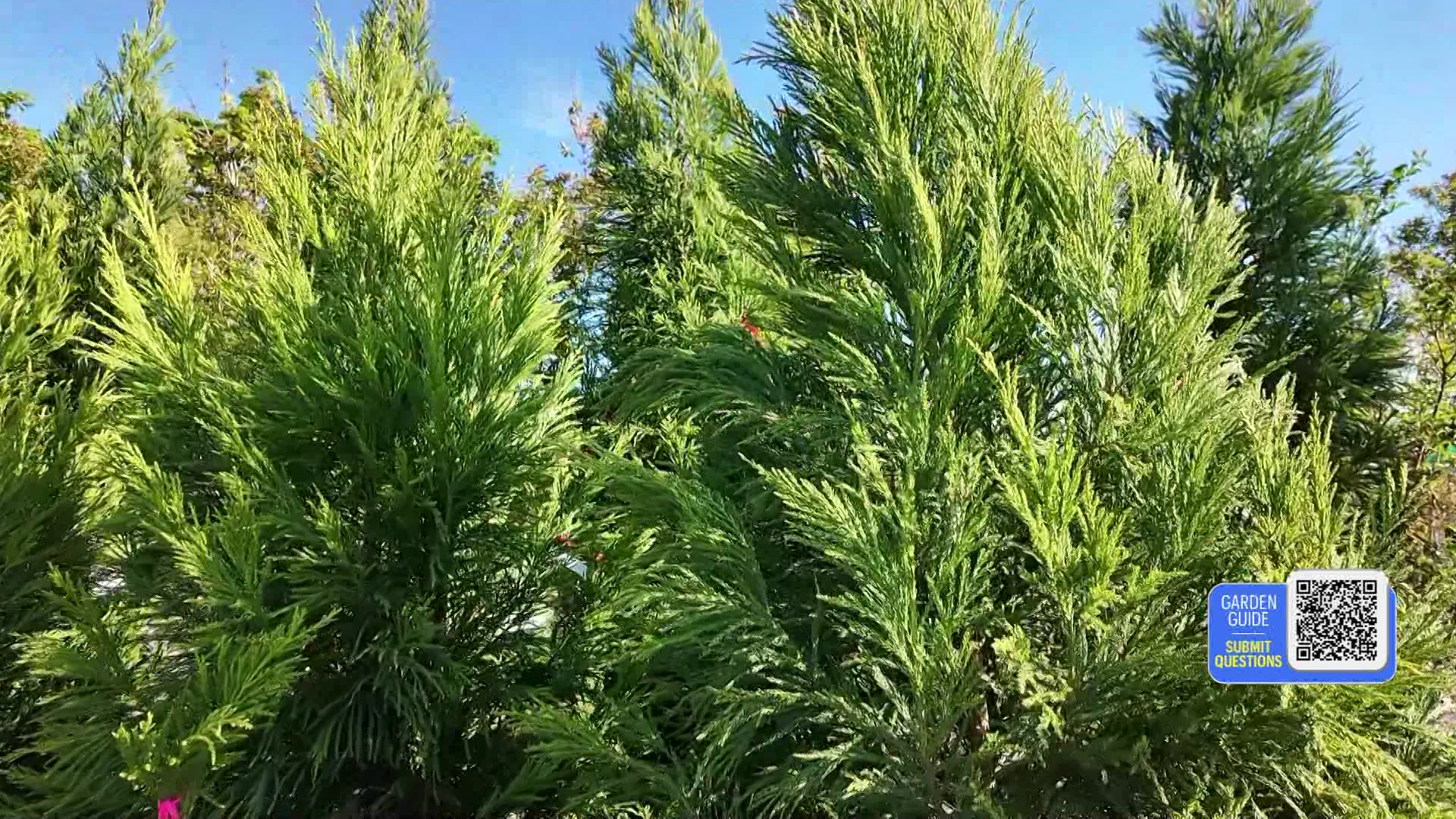
This is our coldest and snowiest winter in years, adding even more discomfort than usual for gardeners (aka me) hoping for spring. However, I learned a long time ago to enjoy every single day, and that’s why I’m embracing winter with plants that really shine this time of year.
Here are a few of my favorites. Let me know your favorite winter plants and any questions you may have by following me on Facebook or Instagram.
Yuccas
This genus of plants is usually associated with deserts (think Joshua Tree National Park), but there are a few that can handle our cold, wet climate well and are actually native to the eastern United States. My personal favorite is Yucca gloriosa var. recurvifolia. It can reach more than 6 feet tall and has graceful leaves.
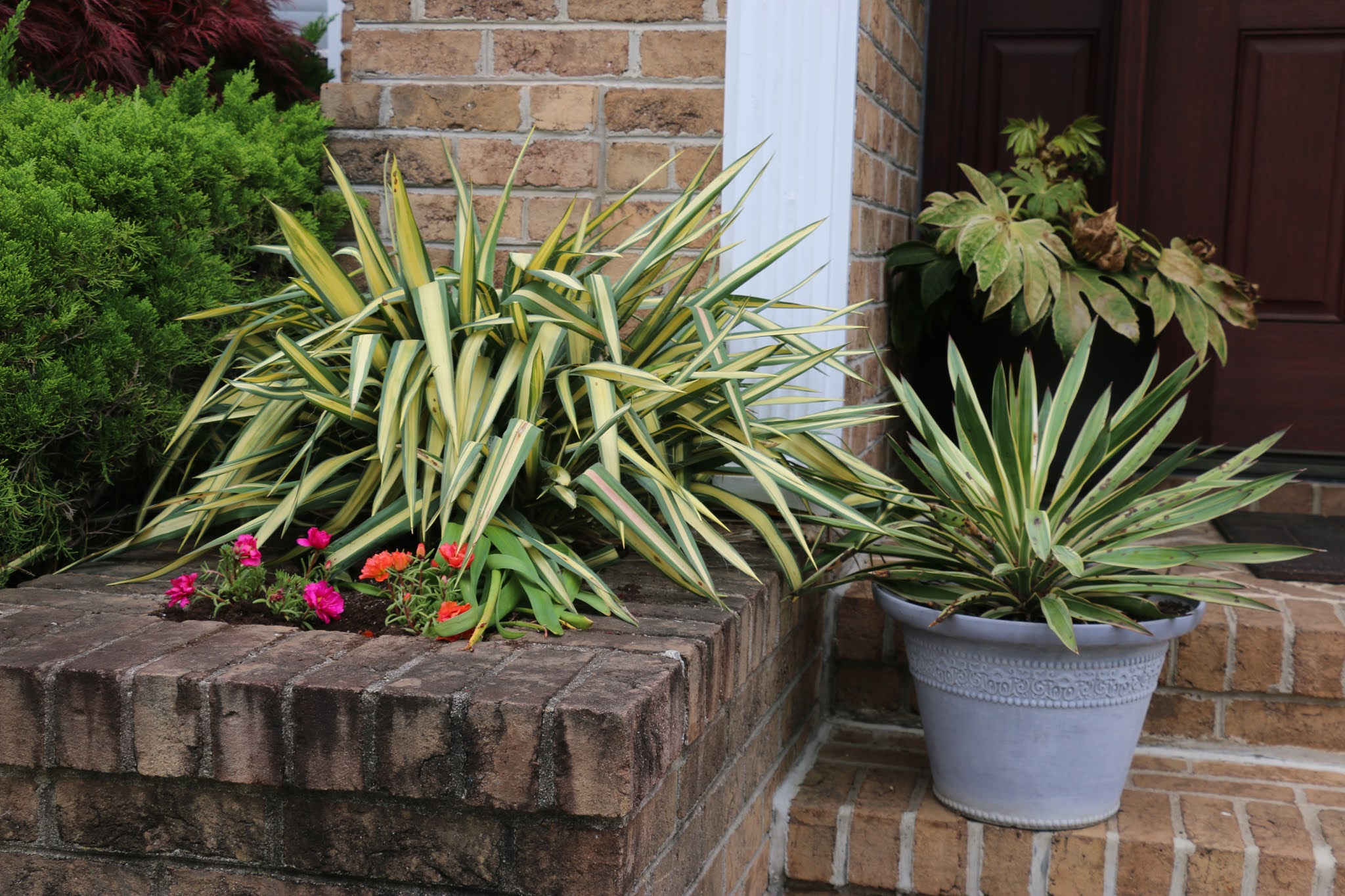
Yucca filamentosa ‘Color Guard’ is another native yucca. This one stays small and is unbelievably colorful! The yellow stripes on bright green leaves never fade, but it really stands out during the winter surrounded by snow.
Broadleaf evergreens
When most of us think of “evergreens,” you’re probably imagining yews, pines, spruce, and other trees that give a northern feel. They’re absolutely beautiful in snow, but I find broadleaf evergreens even more fascinating. They have huge leaves, and many actually wilt during cold weather as a defense mechanism to keep them alive.
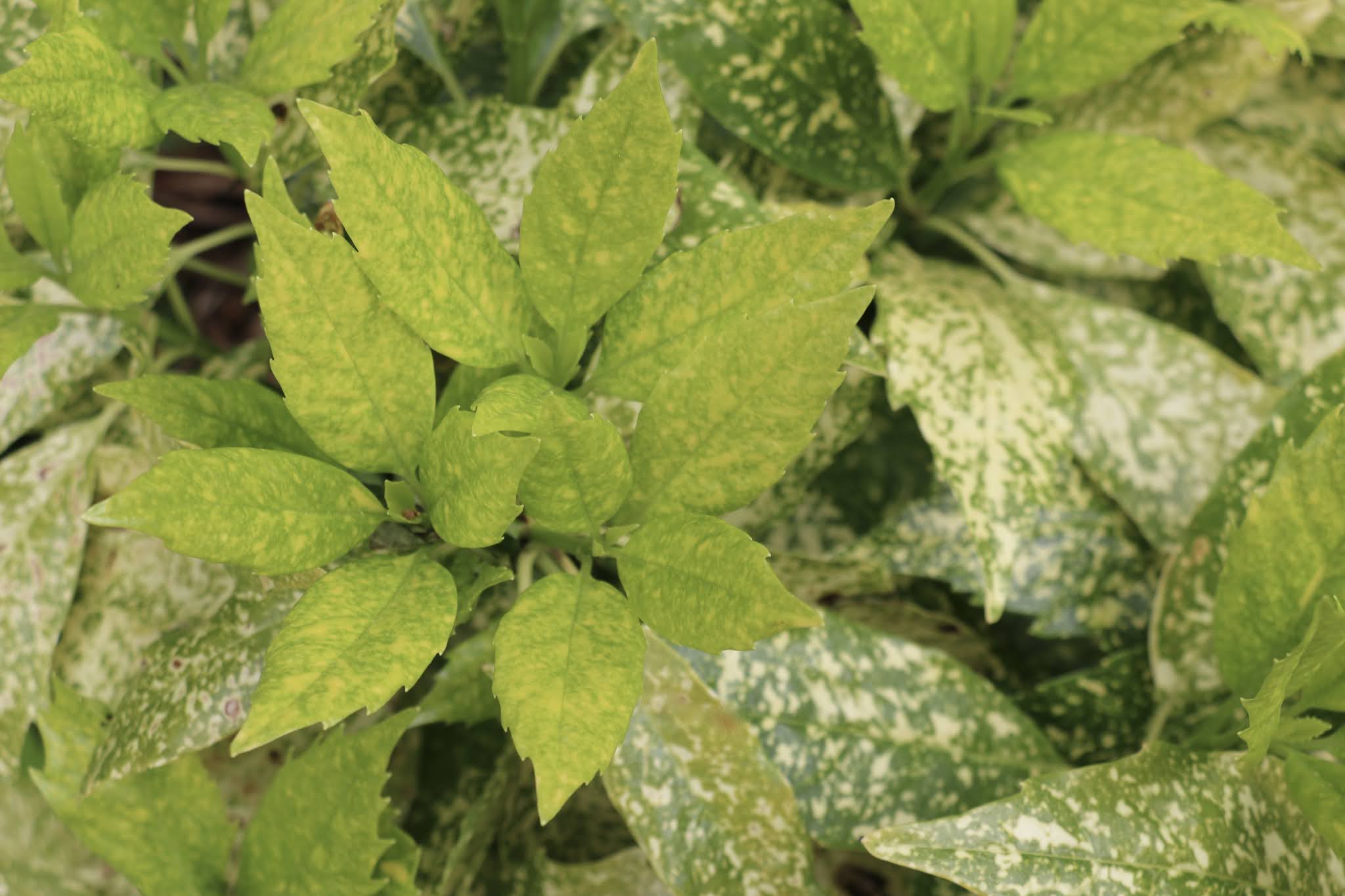
Aucuba japonica is really colorful. It does best in shade, and there are so many varieties to choose from. It looks like someone painted the leaves.
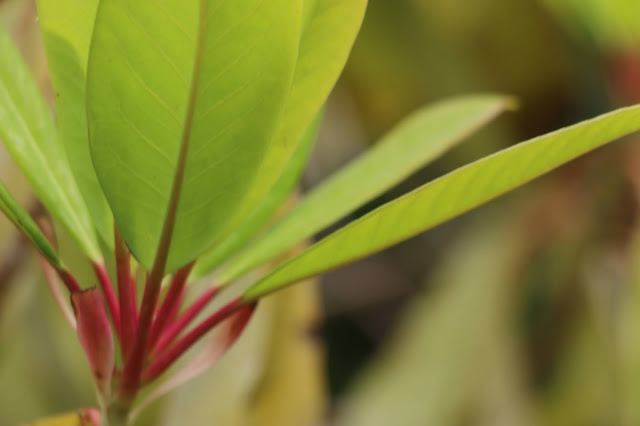
A rarer plant is Daphniphyllium macrocarpum, also known as the red-necked rhododendron. The leaves grow into a circular pattern, and in the middle is an incredible pink color that is very subtle in the summer but turns hot pink in winter!
Florida anise (Illicium floridanum) is a broadleaf evergreen that’s native to the eastern U.S., specifically a very small section of the Florida Panhandle. However, it does great in our climate. The reason for its limited native range goes back to the last ice age. It was pushed to the Gulf Coast during that time, and the species wasn’t competitive enough to recover… until humans came along!
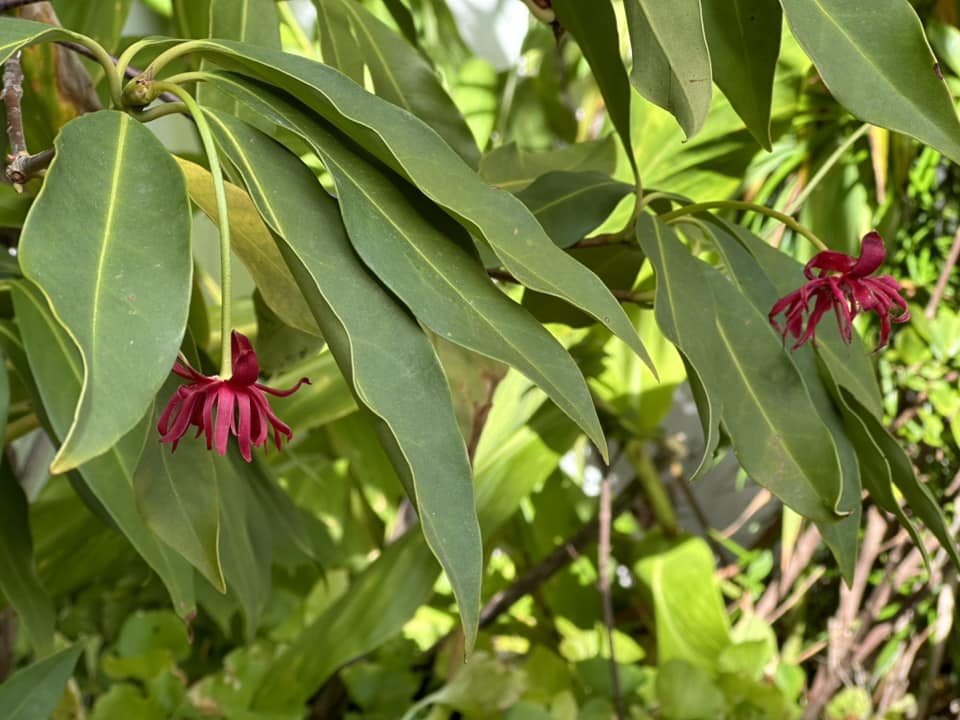
The whimsical flowers that look like red pinwheels and the fragrant foliage (that’s how it gets its common name) have made this a favorite for garden centers to offer.
Winter flowers
Unfortunately, it’s been a cold winter, so there are absolutely zero flowers in my January garden. But during mild years, some plants are able to bloom this time of year.
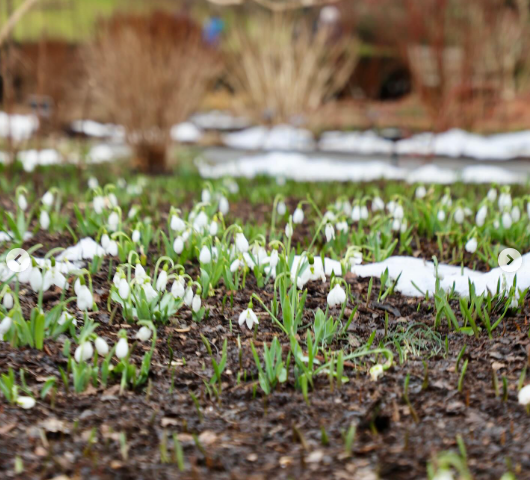
Snowdrops
Just like the name implies, these spring bulbs love the cold and usually pop up in early February in our climate or whenever the snow cover melts.
Hellebore
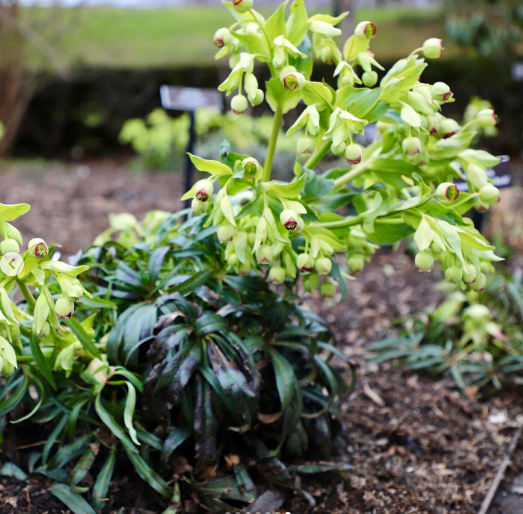
This charming evergreen disappears in summer and comes back for the winter months. It can bloom in January, but I find the best blooms in our climate are in February and March. You can actually find these for sale at Trader Joe’s right now, but since they’re not in sync with our seasons, I’d leave those inside until March.
Mahonia
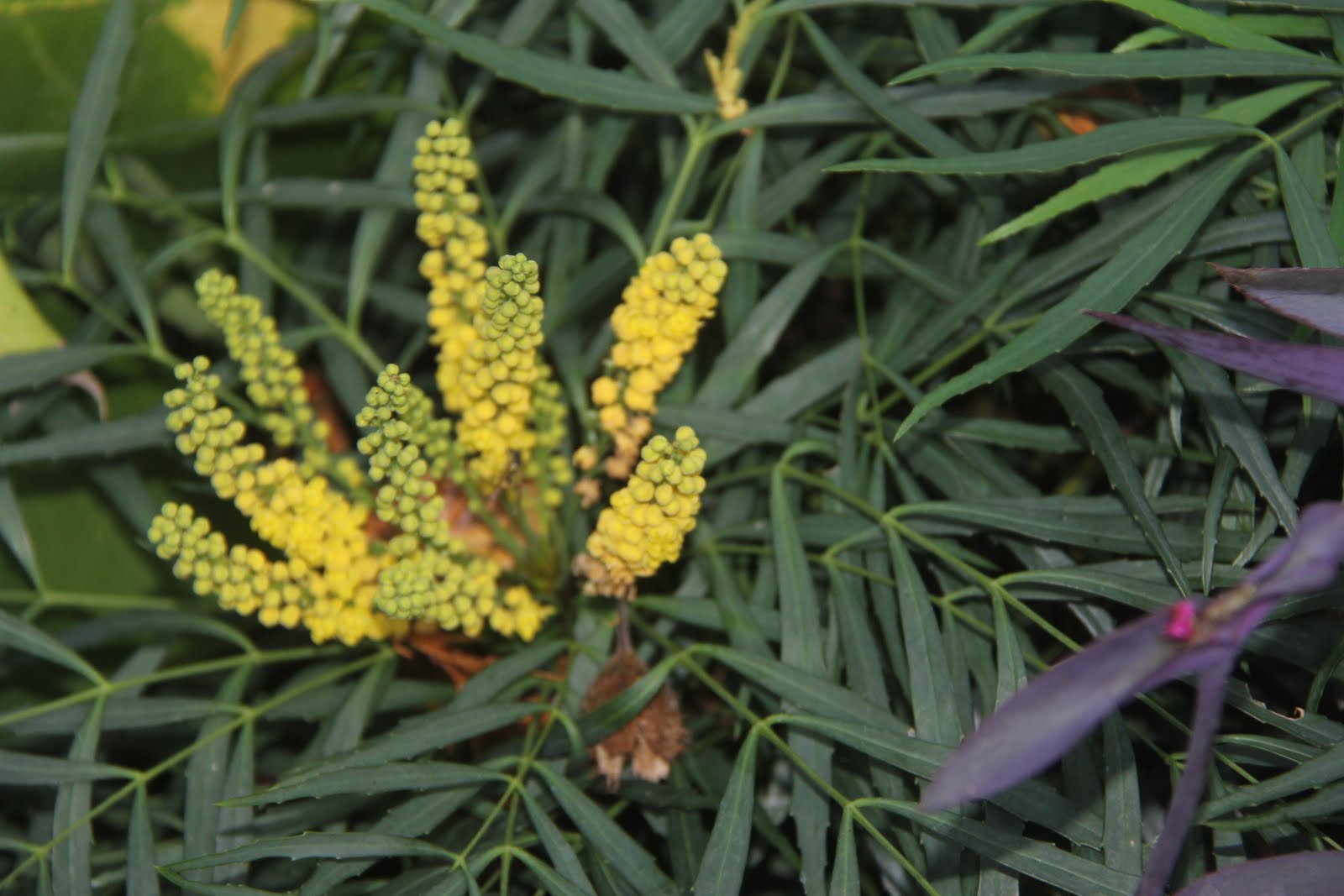
This is an evergreen shrub that looks like holly but blooms with a cascade of yellow flowers from late January through March. Even during cold January weather like this, yellow buds are forming on mine!
Camellia
Autumn-blooming varieties tend to bloom from October–December in our climate, while spring-blooming camellias bloom in March and April. However, some, like ‘Spring’s Promise,’ can bloom in the middle of winter—snow and all!
'The one in this photo is located at Planting Fields in Oyster Bay. It was taken last January. camellia festival in February. It's the only one of it's kind in the Northeast.
When does winter end?
The unusual cold will remain in place for at least the next 2 weeks. Unfortunately, we do not see any changes in our weather pattern through at least mid-February, potentially even longer. However, the days are getting longer fast. We're gaining more than 2 minutes of daylight now and will gain more than 1 hour of daylight in February. Most importantly for gardening, the sun is getting higher in the sky and more intense. The sun angle in late January is as strong as Mid November. By the end of February, the sun angle is as strong as early or mid October. Spring is just weeks away!