Mayor Mamdani unveils $124.7B city budget, nixing plan to hike property taxes
After months of negotiations and a wide range of proposals on how to close a $5.4 billion deficit, the mayor's first executive budget is not expected to include a property tax hike or draining of the reserve 'rainy day' funds, according to sources.
More Stories


Mayor Zohran Mamdani put forth a $124.7B balanced budget on Tuesday, nearly two weeks late due to state budget delays.
After months of negotiations and a wide range of proposals on how to close a $5.4 billion deficit, the mayor's first executive budget is not expected to include a property tax hike or draining of the reserve 'rainy day' funds, according to sources.
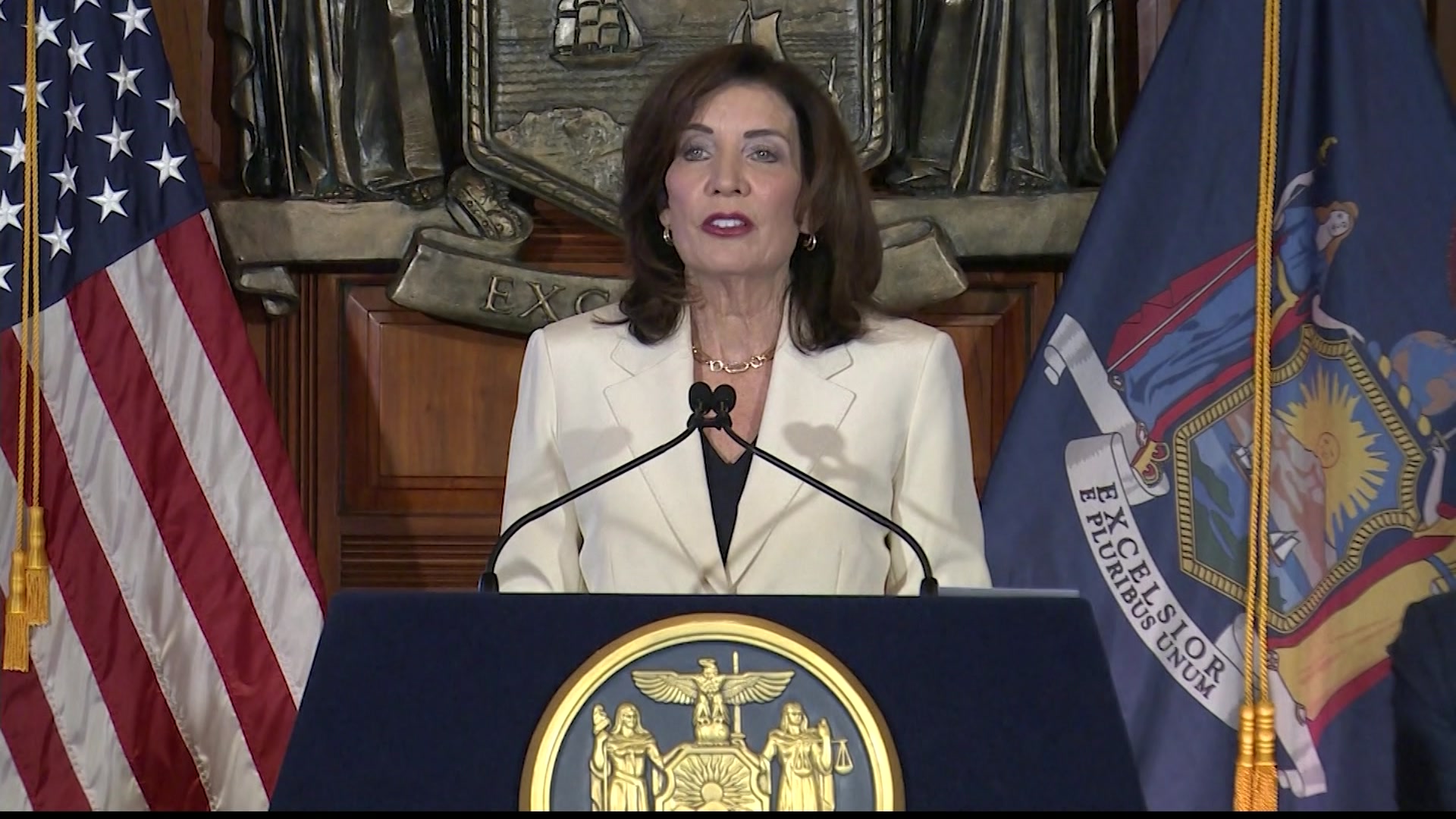
Mamdani credited city agencies for identifying savings and pointed to a partnership with Gov. Kathy Hochul that secured an additional $4 billion for the city, bringing the total to nearly $8 billion over the next two fiscal years.
To help close the remaining shortfall, the administration said it found savings through changes to due‑process case management, delaying implementation of the class‑size mandate, cost‑containment measures for CityFHEPS shelter vouchers and restructuring the city’s pension liability fund.
The budget also includes roughly $40 million to launch the new Office of Community Safety and $26 million annually for the Office of Hate Crime Prevention. Parks, libraries and cultural institutions will receive baseline funding.
“Gov. Hochul and I, however, share a belief that government works best when we work together on behalf of the people we serve. We have partnered through every step of this process to protect the fiscal health of our city. I am thankful for her collaboration and deep commitment to securing a future for our city that working people can afford," Mamdani said in a statement.
Mamdani initially floated a 9.5% property tax increase as a "last resort" option if Hochul did not agree to a wealth tax on the city's top earners and corporations. In February, the mayor presented a budget crisis with an initial estimated shortfall of $12 billion over the next two fiscal years. That number dropped to $7 billion two weeks later, with Mamdani crediting an updated economic forecast, including Wall Street bonuses and in-year reserves.
Most recently, Hochul proposed a pied-à-terre tax that would put a surcharge on secondary homes in the city worth over $5 million, expecting to bring in $500 million annually. It was included in the state budget that reached a handshake deal last week.
“From day one, I have been committed to ensuring New York City succeeds, because a strong and stable City means an even stronger New York State,” said Hochul, “Today, we are fulfilling the promise to make free universal childcare a reality, making significant investments in education, public safety and infrastructure while providing the city the resources they need to continue to fund critical services for New Yorkers. This is what a results-driven, responsible partnership looks like and I’m proud to work with Mayor Mamdani to deliver for working New Yorkers."
City Comptroller Mark Levine responded to the plan on Tuesday, saying the budget relies on $2.8 billion in one-time measures and $2.3 billion in short-term pension savings, without solving the problem that the city spends more than it earns.
"The budget also relies on the implementation of strategies to lower the cost of rental assistance and special education, which will require close and transparent monitoring. Taken together, these actions delay addressing the deeper structural imbalances in the City’s budget, as is clear from out-year gaps of $7.1 billion in FY 2028 growing to $9.8 billion in FY 2030," the Comptroller wrote in a statement, "It is important that we strengthen this budget further by reducing reliance on one‑time actions and adding to reserves to ensure the city is prepared against potential fiscal shocks.”
The adopted budget must be reached before the next fiscal year begins on July 1.