Outreach teams work to shelter homeless ahead of weekend snowstorm
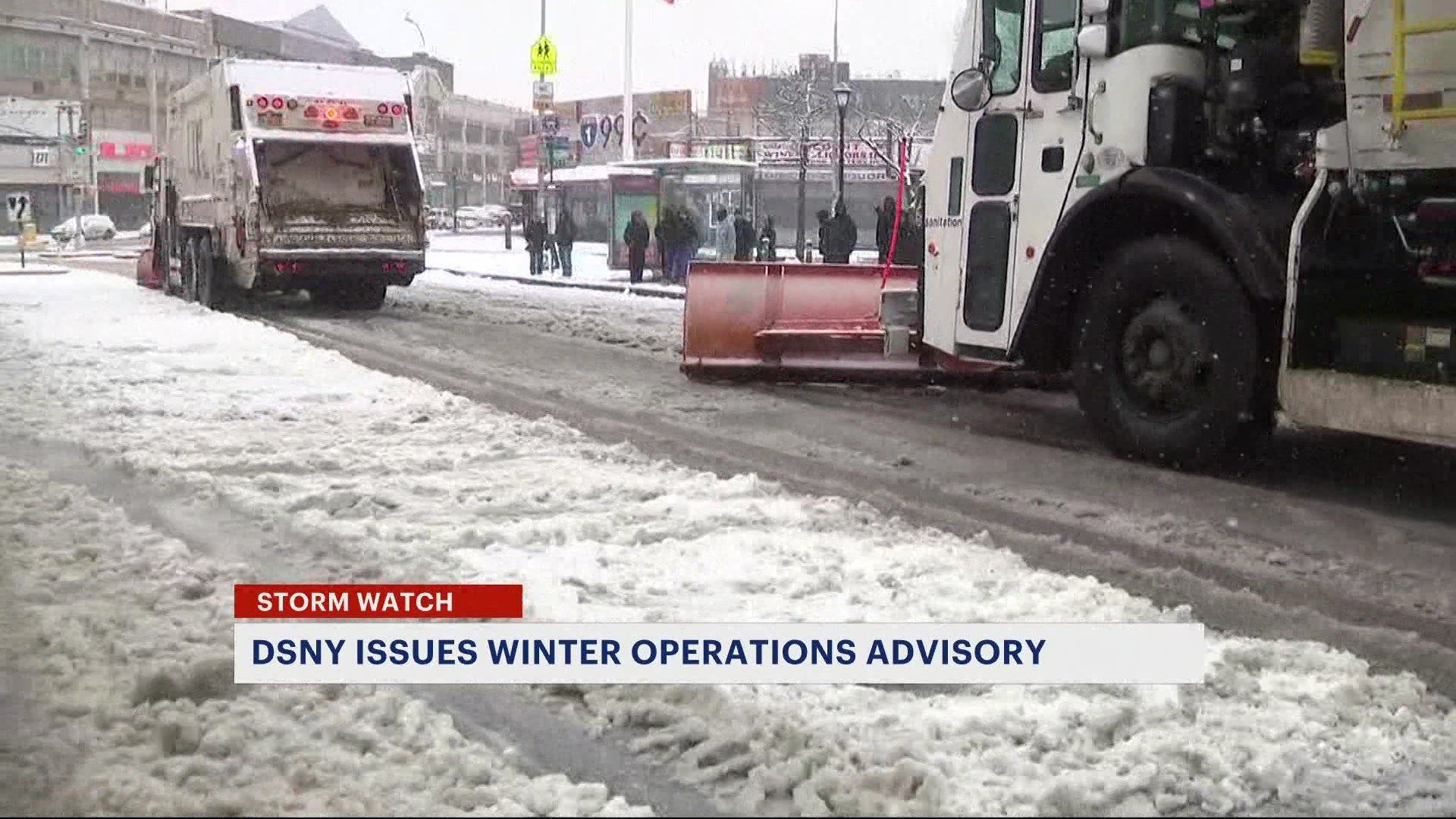
News 12 meteorologist forecast several inches of snow is expected to blanket New York City as temperatures plunge dangerously low into the single digits.
More Stories

Outreach teams are working hard to bring the cities homeless population indoors ahead of this weekends snowstorm.
News 12 meteorologists forecast several inches of snow is expected to blanket New York City as temperatures plunge dangerously low into the single digits.
The city has activated a Code Blue, which means anyone who is homeless cannot be denied shelter.
Ahead of the storm, outreach teams with Breaking Ground, a nonprofit that helps people experiencing homeless access shelter and services, are hard at work contacting unhoused New Yorkers offering them shelter at Safe Haven facilities.
Safe Havens differ from traditional shelters. They are designed for people who have experienced long-term street homelessness and may be reluctant to enter the shelter system.
"Safe Havens are the most important resource for people who have been on the street for the longest," said Patrick Bonck, of Breaking Ground.
Breaking Ground runs 750 Safe Haven beds across three boroughs, including 250 added over the past two years as the city increases efforts to move people off the streets and indoors.
The program funded through the Department of Social Services.
"It's designed to help people who might not have trust in the system and give them a chance to see if they can stay while working toward permanent housing," Bonck said.
News 12 was given exclusive access to a Safe Haven facility in Greenpoint where people are given private rooms, access to warm showers and food.
Christian Rettelbach has called this facility home for eight weeks.
"It's wonderful, to be honest," Rettelbach said. "I was outside when it was cold. I nearly had frostbite on my feet."
Rettelbach said she was reluctant to enter a city shelter, but was convinced by Breaking Ground's outreach teams who earned her trust.
"I was very reluctant to go. I'd never been in a shelter," Rettelbach said. "I'm happy that I came."
That work often begins in public spaces like McCarren Park, where outreach teams spend hours building relationships with people living outside.
"You want to get them off the street. You don't want to see them in a bad situation," said outreach worker Allen Black.
He and Rameik Garris canvass parks, subways and neighborhoods, checking on people's well-being and offers assistance, especially as severe weather approaches.
"People might not realize how bad their situation is," Garris said. "We have to point it out to them and be transparent."
Outreach workers said trust is key, and persistence can make the difference.
If you see someone who may need shelter during the extreme cold, officials urge New Yorkers to call 911 for immediate medical emergencies. For shelter assistance, call 311. An outreach team is typically dispatched within two hours.