Guide: What to expect when donating blood
As a blood donor, you are a vital part of a team of individuals working together to save lives. Here is what to expect when donating blood.
More Stories


Are you thinking of donating blood for the first time?
As a blood donor, you are a vital part of a team of individuals working together to save lives.
Below is what to expect when donating blood.
DO YOU QUALIFY?
Most people qualify as blood donors, even if they are taking medications, according to the Connecticut Blood Center. Below are some basic requirements to donate:
In good health;
17 years or older (16 with a parent or guardian’s written consent);
Weigh at least 110 pounds (donors aged 16 must weigh at least 130 pounds);
Free of antibiotics for 24 hours, unless taken for acne;
Symptom-free for at least 72 hours following cold or flu;
Some medical conditions/medications, recent tattoos, piercings, or travel may impact eligibility. Click here to learn more about common reasons people can’t donate.
GUIDE: Here is why you should consider donating blood
WHAT TO DO BEFORE YOUR DONATION:
Make an appointment: Click here to find a blood drive or blood donation site near you.
Get the dish on nutrition: The American Red Cross recommends donors to have iron-rich foods, such as red meat, fish, poultry, beans, spinach, iron-fortified cereals or raisins.
Be well rested and hydrate: Get a good night's sleep the night before your donation, eat healthy foods and drink extra liquids.
Donating platelets? Don't take aspirin for two days before your appointment. Learn more about platelet donations here.
Ask a friend to donate at the same time – you can support each other and do twice as much good!
WHAT TO DO ON THE DAY OF YOUR DONATION:
Photo ID: Bring your donor card, driver's license or two other forms of identification.
Medication list: They need to know about all prescription and over-the-counter medications you're taking.
Drink an extra 16 ounces of water (or other nonalcoholic drink) before your appointment.
Eat a healthy meal, avoiding fatty foods like hamburgers, fries or ice cream.
Wear a shirt with sleeves that you can roll up above your elbows.
Let them know if you have a preferred arm or particular vein that has been used successfully in the past to draw blood.
Relax, listen to music, talk to other donors or read while you donate.
WHAT TO DO AFTER YOU DONATION:
Enjoy a snack – you’ve earned it!
Drink extra liquids – Drink an extra four (8 ounces) glasses of liquids and avoid alcohol over the next 24 hours.
Tell others about your good deed – the gratification of giving blood is a feeling you'll want to share.
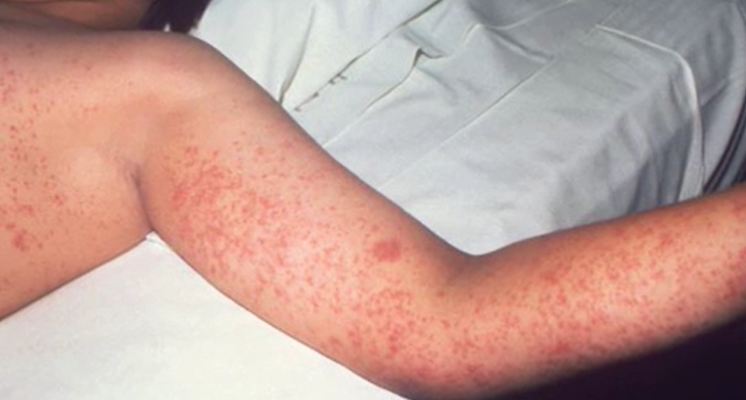
Keep the strip bandage on for the next several hours; to avoid a skin rash, clean the area around the bandage with soap and water.
Don’t do any heavy lifting or vigorous exercise for the rest of the day.
If the needle site starts to bleed, apply pressure and raise your arm straight up for 5-10 minutes or until bleeding stops.
Click here for more tips from the American Red Cross.